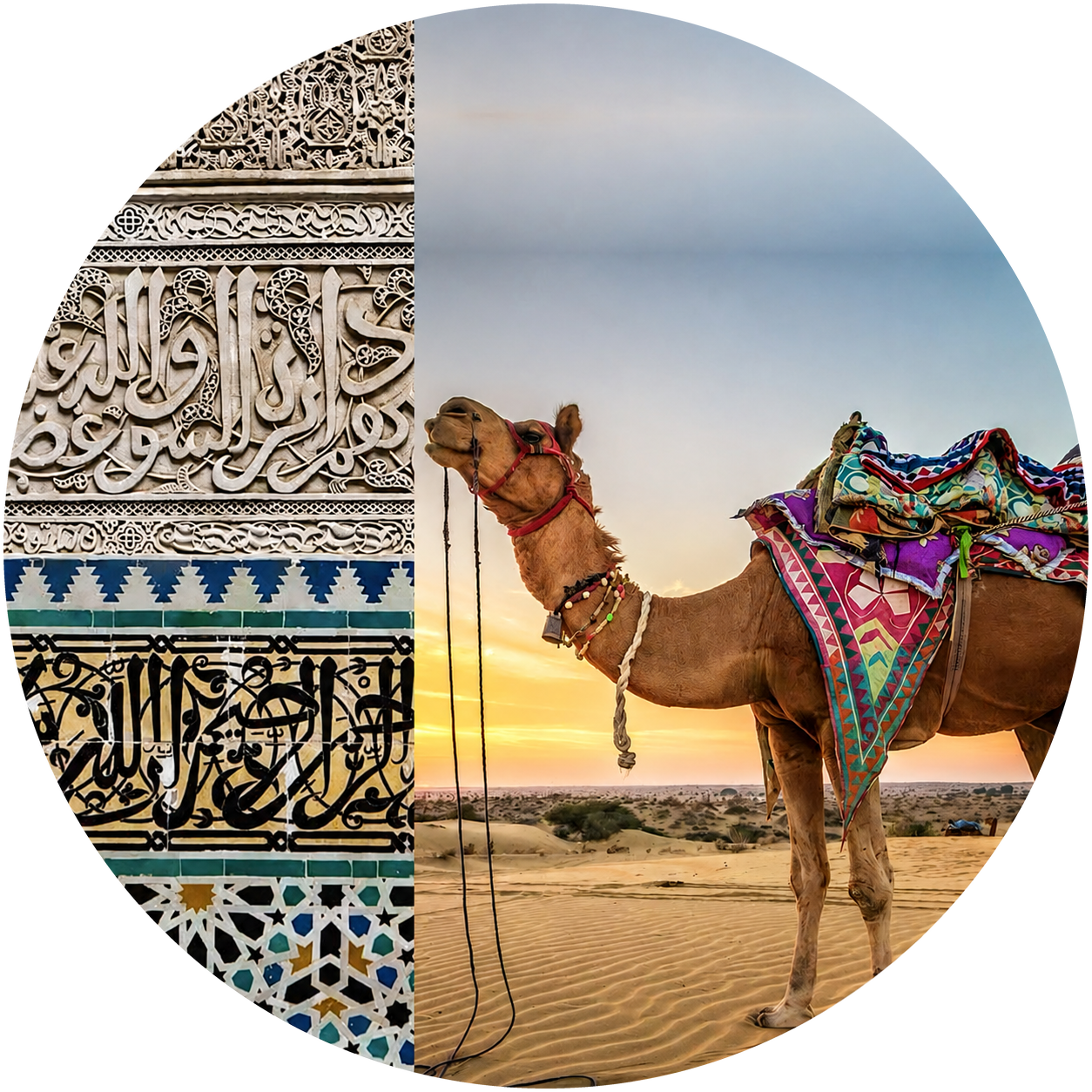

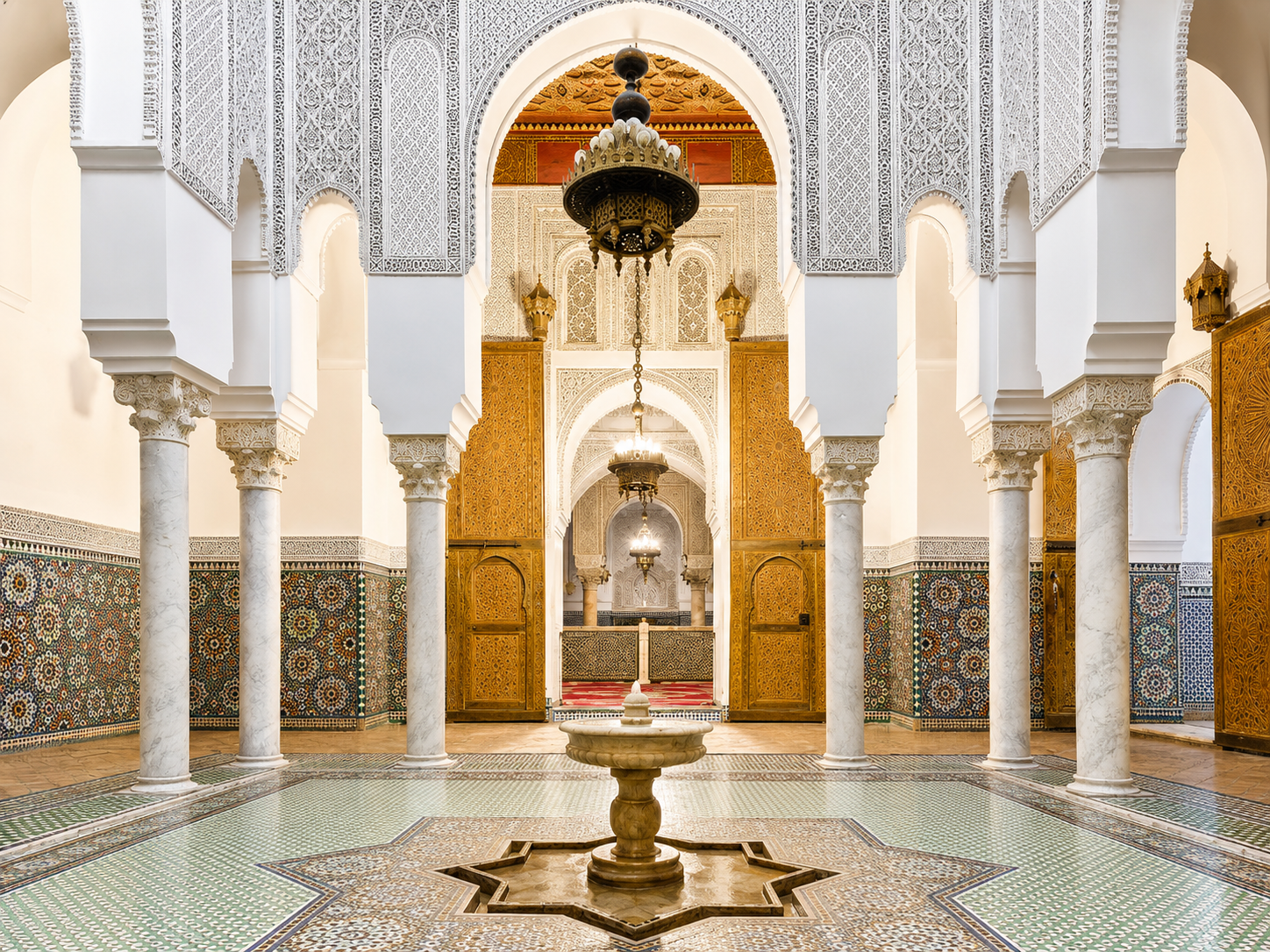

Morocco cannot be understood through a single city, landscape or tradition. Its identity has been shaped by Atlantic and Mediterranean shores, imperial capitals, Amazigh regions, Andalusian memory, Saharan routes, mountain communities and centuries of exchange with Africa, Europe and the wider Islamic world. Every part of the country tells a different story. Architecture changes from region to region, local crafts reflect distinct materials and techniques, and food, language, music and everyday customs carry the character of the places in which they developed. Discover Morocco through its cities, heritage, people and living culture — not as one uniform destination, but as a country of remarkable regional identities, historical layers and continuing traditions.
Explore Morocco by Theme
Morocco can be discovered through many different lenses. Explore its cities, regions, architecture, traditions and lesser-known places through carefully organised collections that reveal how geography, history and local identity shape the country.
-
Cities & Urban Identity
Discover Morocco through the character of its cities. Imperial capitals, Atlantic ports, northern medinas and smaller historic towns each reveal a different relationship between architecture, memory, trade, local life and regional identity.
-
Architecture & Heritage
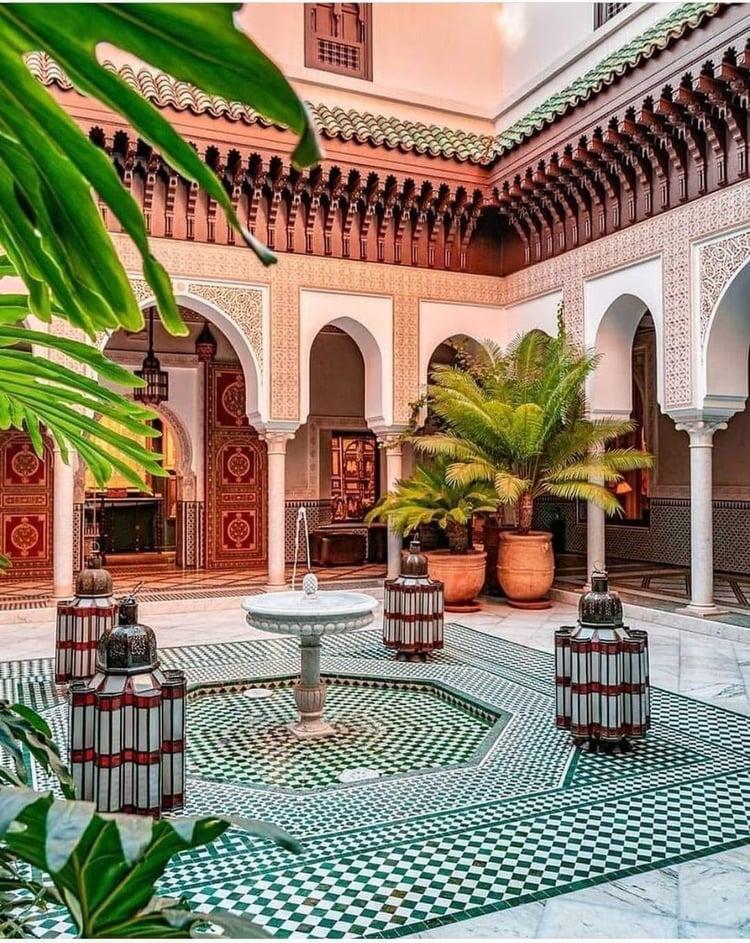
Explore gates, medinas, palaces, mosques, riads, fortifications and decorative arts. This collection examines how architecture carries history, craftsmanship, belief, power and everyday life across Morocco’s regions.
-
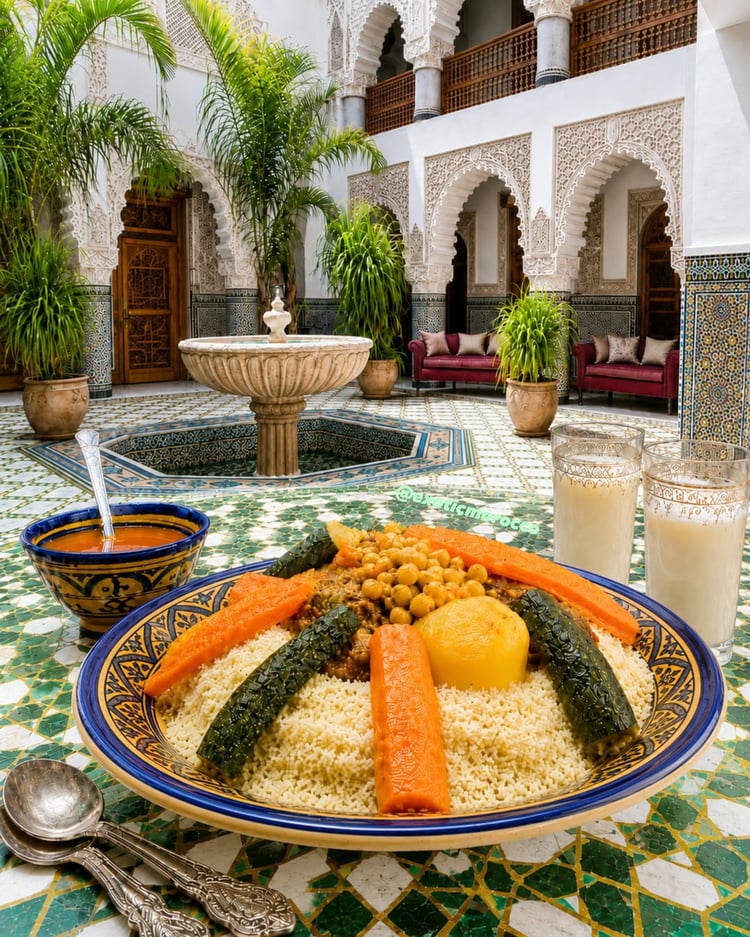
Culture & Traditions
Discover music, clothing, foodways, festivals, hospitality, family customs and living traditions. These cultural expressions reveal how identity continues through community memory, regional practice and everyday experience.
-
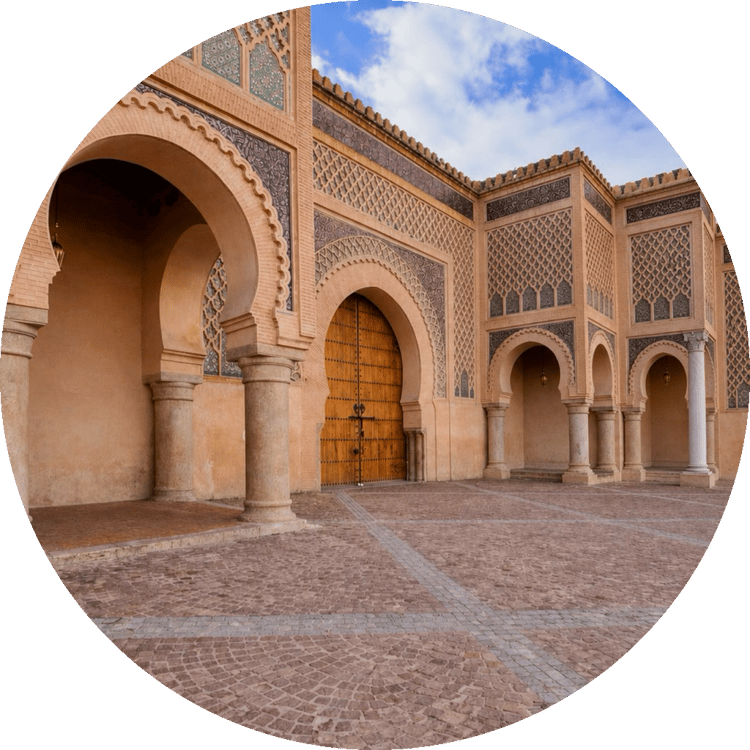
Imperial Cities
Explore Morocco’s imperial capitals through their palaces, walls, gardens, religious monuments and urban histories. Fès, Marrakech, Meknès and Rabat each reflect a different period of dynastic ambition and cultural development.
-
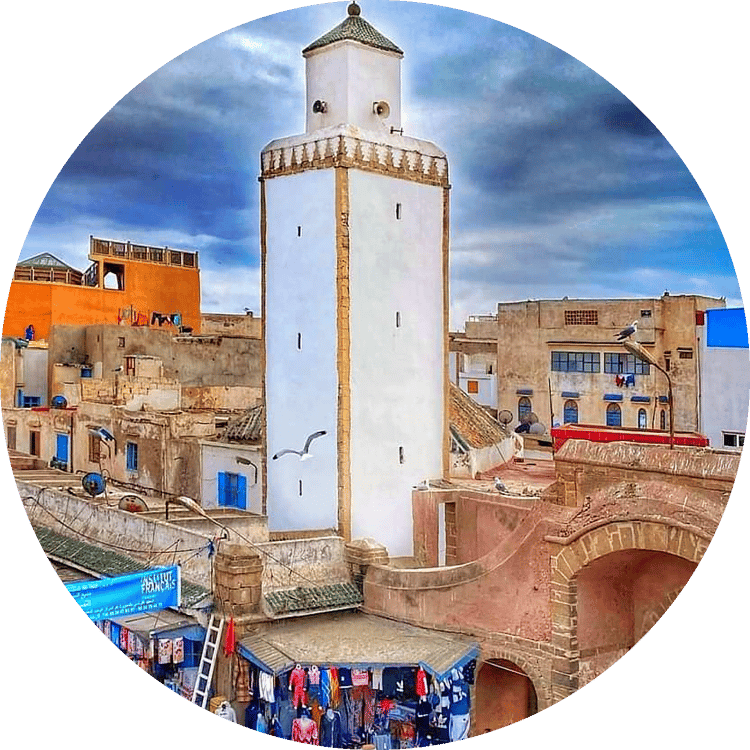
Atlantic Morocco
Follow Morocco’s Atlantic coast through ports, medinas, beaches, river towns and maritime history. Cities such as Essaouira, El Jadida, Asilah and Larache reveal distinct relationships between trade, migration, architecture and the ocean.
-
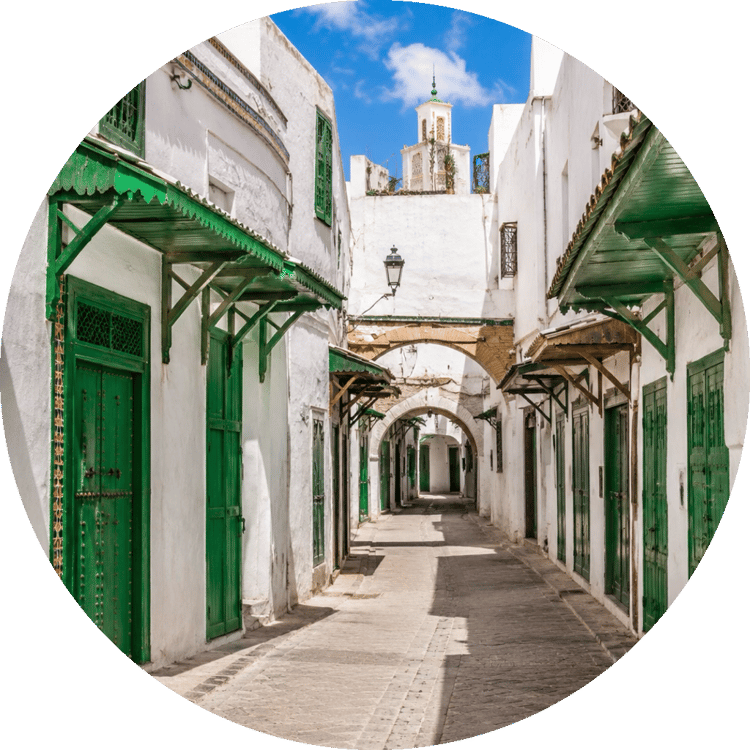
Northern Morocco & the Rif
Discover the cultural and geographical diversity of northern Morocco. Andalusian heritage, Mediterranean influence, Rif landscapes, whitewashed towns and historic medinas shape a region with its own strong visual and cultural identity.
-
Morocco’s Hidden Gems
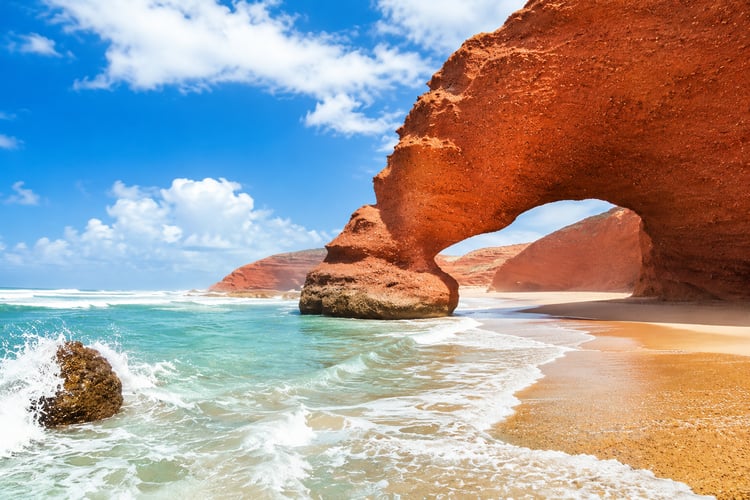
Look beyond the best-known destinations to discover overlooked towns, neighbourhoods, monuments and regional stories. These places offer a quieter view of Morocco and often reveal some of its most personal and unexpected cultural layers.

Morocco Through Its Regions
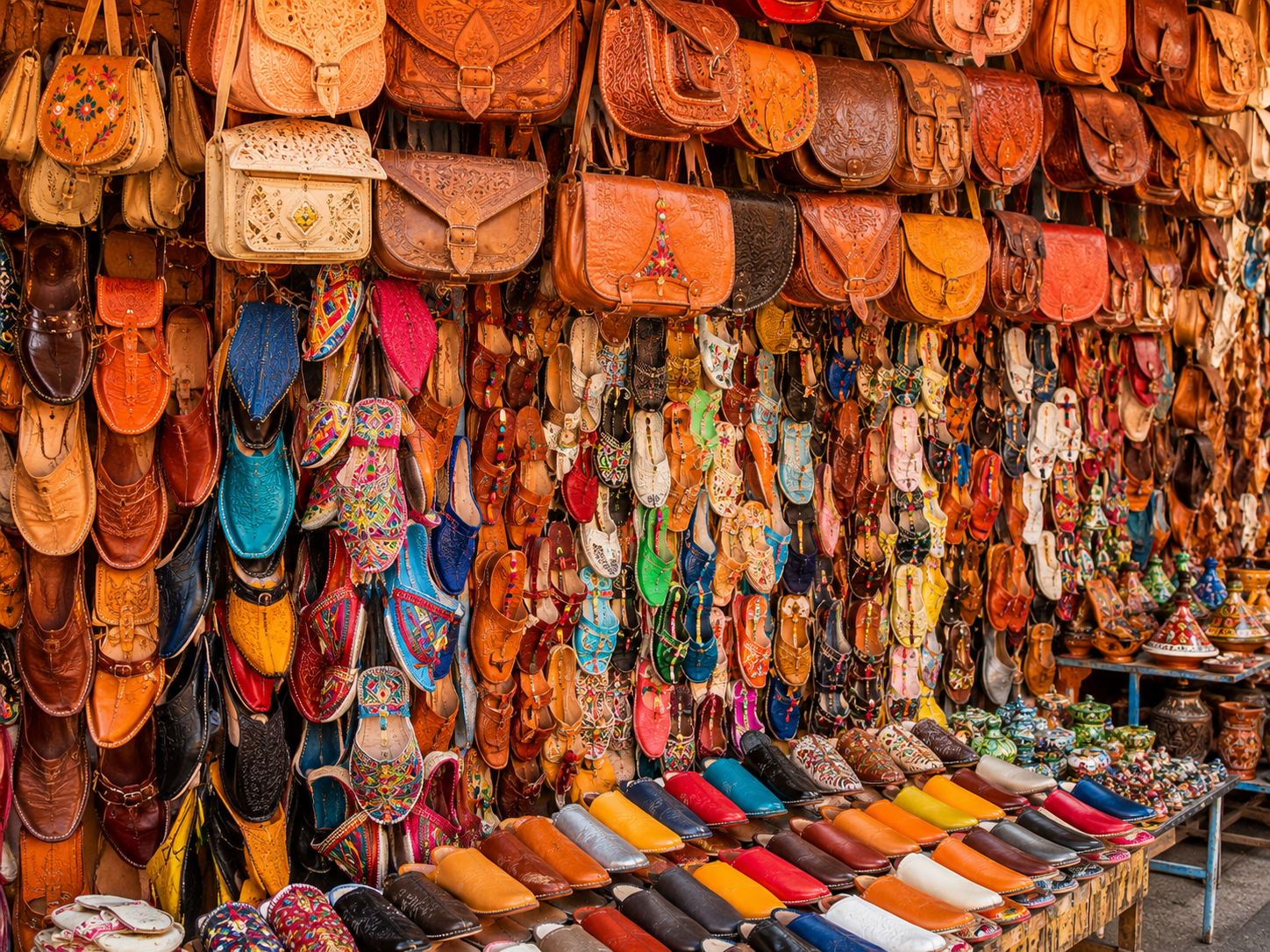
Morocco’s regional diversity is one of the keys to understanding the country. Climate, geography, migration, trade and historical connections have shaped distinct local identities, visible in architecture, language, food, craftsmanship and everyday life. These are broad cultural and geographical lenses rather than official administrative divisions. Their boundaries sometimes overlap, reflecting the many connections between Morocco’s cities, landscapes and communities.
-
Northern Morocco & the Mediterranean
Northern Morocco brings together Rif landscapes, Mediterranean towns and a strong Andalusian legacy. Tangier, Tétouan and Chefchaouen each express this identity differently through whitewashed architecture, urban traditions, regional crafts and long histories of movement across the Strait of Gibraltar.
-
Morocco’s Atlantic Coast
The Atlantic coast is shaped by ports, river mouths, fortified cities, fishing communities and maritime exchange. From Larache and Rabat to El Jadida, Essaouira and Agadir, the ocean influences architecture, cuisine, trade, climate and the daily rhythm of coastal life.
-
Imperial Cities & Historic Capitals
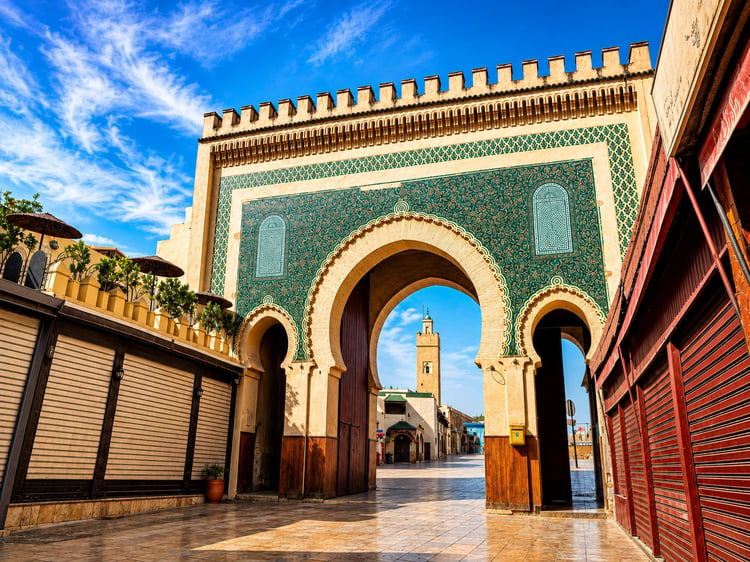
Fès, Marrakech, Meknès and Rabat preserve different chapters of Morocco’s political and cultural history. Their palaces, walls, religious institutions, gardens and artisan quarters reflect successive dynasties, changing centres of power and the lasting influence of royal patronage.
-
The Atlas Mountains & Interior Valleys
The Middle Atlas, High Atlas and Anti-Atlas contain diverse landscapes and communities rather than one single mountain culture. Villages, valleys, agricultural traditions, weekly markets and Amazigh heritage reveal how people have adapted architecture, clothing, food and seasonal life to elevation and climate.
-
Southern Oases & Saharan Routes
Southern Morocco is shaped by palm oases, fortified villages, caravan routes and desert-edge towns. The Drâa Valley, Tafilalt and wider Saharan regions preserve architectural forms, trading histories and oasis traditions developed around water, movement and survival in demanding landscapes.
-
Eastern Morocco & the Borderlands
Eastern Morocco has its own cultural geography, stretching from Mediterranean-facing areas to inland plateaus and oasis settlements. Oujda, Nador, Figuig and surrounding regions reflect borderland histories, migration, musical traditions, pastoral life and connections with neighbouring parts of North Africa.


The Historical Layers of Morocco
Morocco’s history is not a series of sealed periods. Earlier traditions continued, adapted and interacted with new political, religious and cultural networks. Its cities, languages and landscapes therefore carry overlapping Amazigh, Mediterranean, Islamic, Andalusian, Saharan, Jewish, African and European histories.
-
Before the Islamic Period
Amazigh Foundations & Ancient Connections
Long before Islamic rule, Amazigh communities shaped settlement, agriculture, language and regional life across the land. Phoenician and Carthaginian trading networks later touched the coast, while Rome incorporated parts of northern Morocco into Mauretania Tingitana. Volubilis still reveals the encounter between local and Roman worlds.
-
7th–10th Centuries
Islam, the Idrisids & the Rise of Fès
Islam spread through the Maghrib from the seventh century onward. The Idrisids established an early independent Muslim state in Morocco, and Fès grew into an important political, religious and intellectual centre. Islamic institutions developed alongside enduring Amazigh languages, identities and regional traditions.
-
11th–15th Centuries
Dynasties, Empire & al-Andalus
The Almoravid, Almohad and Marinid dynasties linked Morocco closely with al-Andalus and the western Islamic world. These Amazigh-led powers expanded capitals, mosques, madrasas, fortifications and trade networks, leaving major architectural and urban legacies across Morocco and the wider region.
-
Medieval & Early Modern Morocco
Andalusian Migration & Urban Culture
Successive arrivals from the Iberian Peninsula brought Muslim and Jewish families, scholarship, music, crafts and urban traditions to Morocco. Fès, Tétouan, Rabat, Salé, Chefchaouen and other centres absorbed these influences differently, creating distinctive local expressions rather than one uniform Andalusian style.
-
Across Many Centuries
Jewish Morocco & Shared Memory
Jewish communities were an integral part of Moroccan life in cities, mountain regions and oasis settlements. Their histories remain visible in mellahs, synagogues, cemeteries, trade, music, ritual objects and family memory. Different regions preserve distinct layers of this important Moroccan heritage.
-
Medieval to Modern Times
Saharan Routes & African Connections
Caravan routes connected Morocco with communities across the Sahara and West Africa. Gold, salt, textiles, manuscripts and religious learning moved through centres such as Sijilmassa, while people were also forced through systems of enslavement. These networks shaped trade, scholarship, music and cultural exchange.
-
16th–19th Centuries
Saadian & Alaouite Morocco
The Saadian and later Alaouite dynasties strengthened royal power while navigating Saharan, Ottoman and European rivalries. Coastal occupations, diplomacy, long-distance trade and royal building programmes reshaped Morocco’s political geography, international relationships and architectural landscape.
-
1912 to the Present
Protectorates, Independence & Modern Morocco
In 1912, France established a protectorate over most of Morocco, while Spain administered zones in the north and south; Tangier later received international status. Independence in 1956 opened a new national chapter, while modern development continued alongside historic cities and inherited colonial-era urban layers.


Morocco as a Living Culture
Moroccan culture is constantly renewed through daily practice. Languages, music, craftsmanship, food and social traditions connect inherited knowledge with contemporary life, while regional communities continue to shape their own distinctive forms of expression.

Languages of Everyday Life
Arabic and Amazigh are Morocco’s official languages, while Darija and regional Amazigh varieties shape much everyday communication. The Constitution also calls for the preservation of Hassani as an integral part of Morocco’s cultural identity, alongside the protection of its speakers and cultural expression.

Music, Poetry & Performance
Morocco’s musical traditions include sacred, popular, rural and urban forms. Gnawa, Malhun, Amazigh dance traditions and oral performance preserve poetry, rhythm and collective memory, while contemporary musicians continue to reinterpret these forms for new audiences.

Craftsmanship as Living Knowledge
Craft traditions depend on skills transmitted through families, workshops, apprenticeships and specialist training. Weaving, embroidery, pottery, metalwork, leather, carved wood and caftan-making remain connected to regional identity, local economies and changing forms of Moroccan design.

Food, Hospitality & Shared Tables
Food expresses region, season and social connection. Couscous, bread, preserved ingredients, spices and shared dishes carry techniques learned through observation and practice. Hospitality turns eating and drinking into occasions for welcome, generosity, conversation and belonging.

Markets, Squares & Social Life
Souks, weekly markets, neighbourhood shops, cafés and public squares remain important places of exchange. They bring together commerce, conversation, performance, food and local knowledge, revealing how cultural life is shaped through ordinary encounters as much as formal events.

Festivals, Rituals & Community Time
Religious celebrations, Amazigh New Year, moussems, weddings and seasonal gatherings organise community time in different ways. Their forms vary across Morocco, combining belief, family memory, music, dress, food and local customs that continue to evolve.
Landscapes That Shape Life
Morocco’s landscapes are more than scenery. Coastlines, mountains, plains, forests and oases influence where people settle, how water is managed, which materials are used, what can be cultivated and how communities move through the seasons. Geography does not create one fixed way of life. Across Morocco, people have responded to different environments through local knowledge, trade, agriculture, architecture and changing forms of adaptation.
-
Coasts, Estuaries & Maritime Life
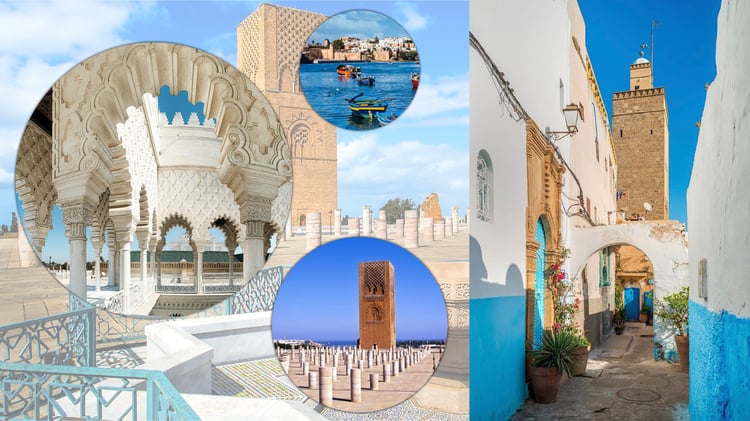
Morocco’s Atlantic and Mediterranean shores are working landscapes as well as places of beauty. Ports, fishing communities, estuaries, lagoons and coastal cities have developed through maritime exchange, seasonal winds and access to the sea. These environments influence food, trade, architecture and daily routines, while wetlands and river mouths form fragile spaces where human activity and biodiversity meet.
-
Mountains, Water & Seasonal Movement
The Rif and Atlas ranges shape water, movement and settlement far beyond the highlands. Changes in altitude create distinct climates, while snow, springs and seasonal runoff feed rivers and valleys below. Mountain communities have adapted through terracing, pastoral movement, local building traditions and carefully timed agriculture, although each range and valley has developed its own practices and identity.
-
Plains, Forests & Working Landscapes
Plains, interior basins, forests and rangelands support many of Morocco’s agricultural and pastoral systems. Cereals, olives, fruit, grazing and market networks connect rural landscapes with towns and cities. Cedar, oak, juniper and argan ecosystems also sustain livelihoods and biodiversity. In some areas, customary systems such as agdal regulate seasonal access to shared land and resources.
-
Oases, Ksour & Water Knowledge
Oases are carefully managed cultural landscapes, not isolated patches of green. Date palms shelter layered gardens, while springs, canals, wells and, in some places, khettaras distribute scarce water. Compact ksour, agricultural plots and pastoral routes reveal long traditions of cooperation. Today, these systems also face drought, water pressure and climate change, making adaptation and conservation increasingly important.


Ways to Continue Exploring
Discover Morocco through the path that interests you most. Explore destinations, read deeper cultural stories or browse carefully developed guides and collections created for meaningful travel and lasting discovery.

-
Explore Places
Travel across Morocco through cities, regions and lesser-known destinations. Discover the identity of each place through its history, architecture, cultural character, surrounding landscapes and connections to the wider country.
-
Read Stories from Morocco
Go beyond quick travel descriptions through stories about cities, heritage, craftsmanship, memory and everyday life. Each article examines one subject closely and connects it to Morocco’s broader cultural landscape.
-
Browse Guides & Collections
Explore premium visual guides and cultural collections designed to organise Morocco’s places, history and practical travel knowledge. Each resource combines clear structure, carefully selected imagery and meaningful context.
