
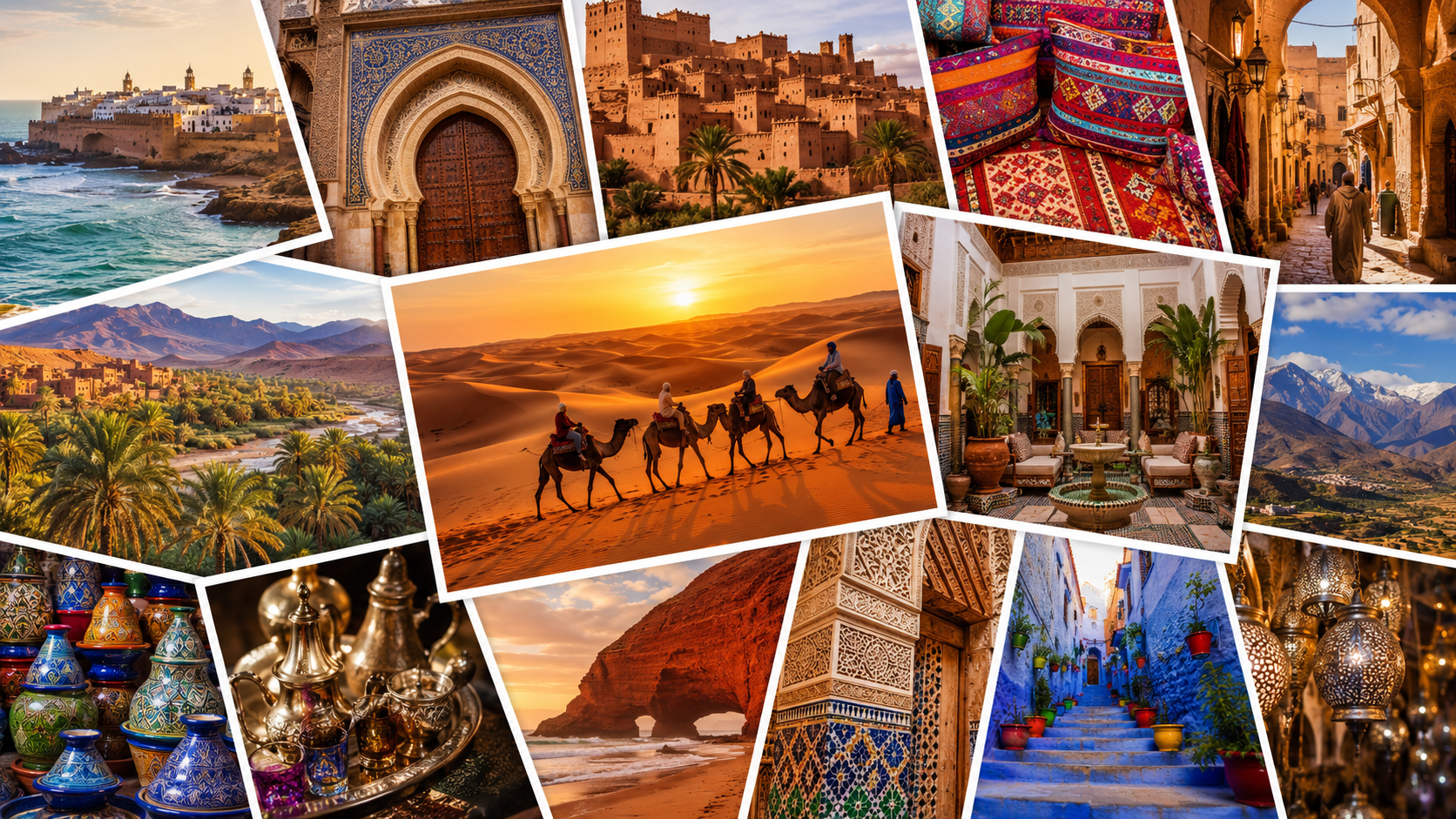
Morocco changes from one place to the next. An imperial capital, an Atlantic port, a northern medina, a mountain town or an oasis settlement may belong to the same country, yet carry a different rhythm, architecture, memory and relationship with the surrounding landscape.
This page brings those places together through regional gateways and carefully developed destination stories. Begin with the part of Morocco that interests you, then explore its cultural character, historic landmarks, local life, nearby landscapes and connections to the wider country.
Explore Morocco by Region

Morocco’s places are best understood through the landscapes, histories and cultural connections that surround them. These editorial gateways are not official administrative divisions; they are designed to help visitors explore the country through meaningful regional and historical relationships.
-
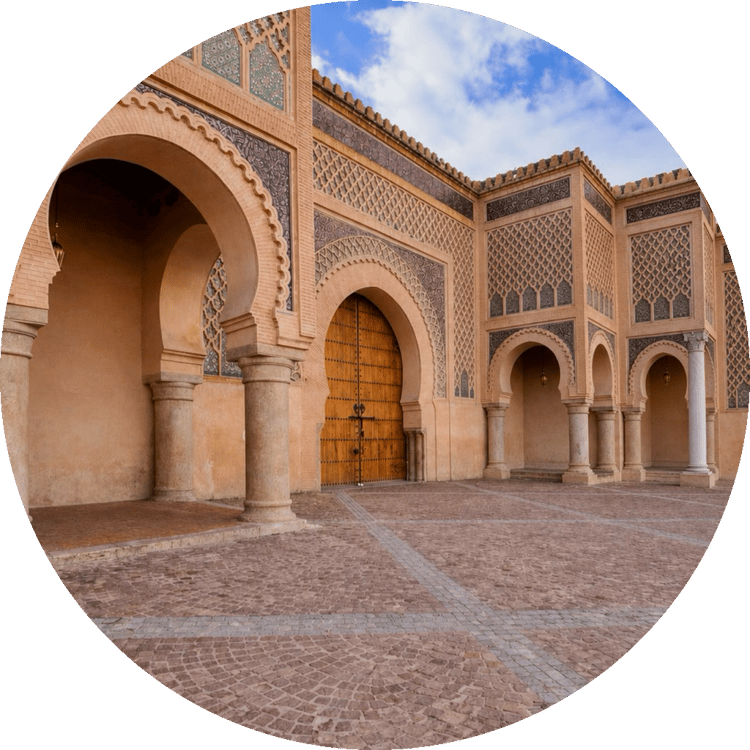
Imperial Cities & Historic Capitals
Explore Fès, Marrakech, Meknès and Rabat through royal history, medinas, religious institutions, gardens, artisan quarters and the architectural legacies of successive dynasties.
-
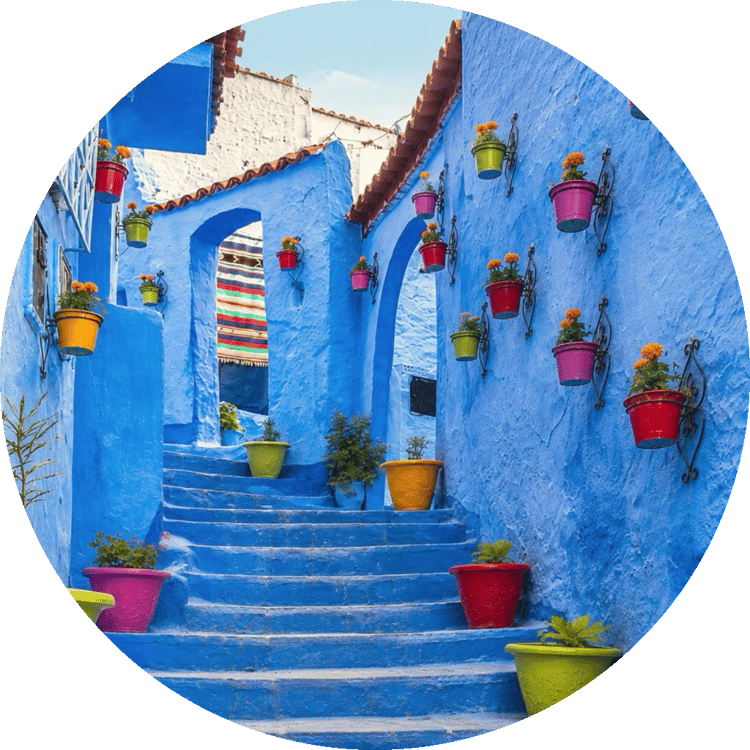
Northern Morocco & the Rif
Discover Tangier, Tétouan, Chefchaouen and the wider north through Andalusian heritage, Mediterranean connections, Rif landscapes, whitewashed towns and distinctive local traditions.
-
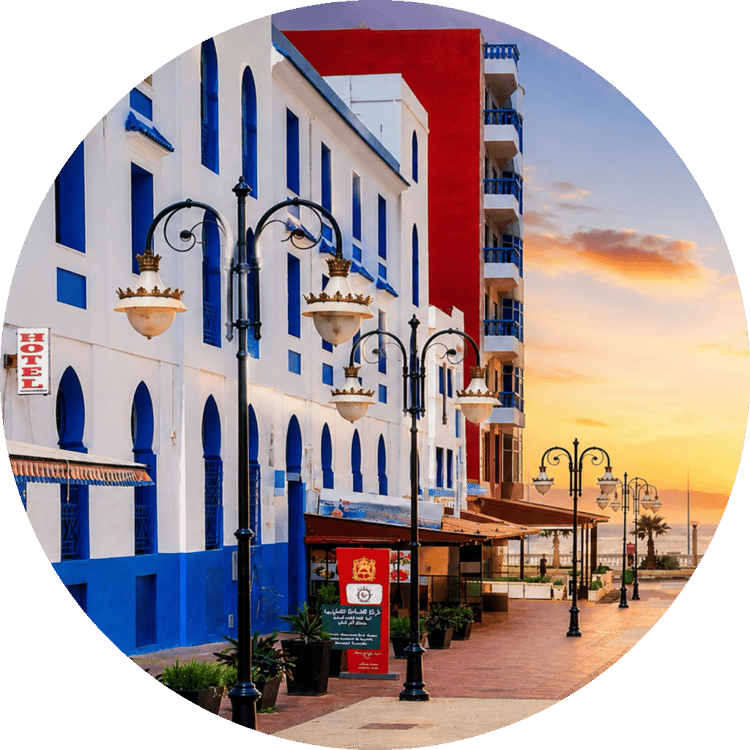
Atlantic Morocco
Follow the Atlantic through historic ports, river towns, fortified medinas, fishing communities and coastal landscapes stretching from northern Morocco towards the country’s southern shores.
-
Atlas & Interior Morocco
Travel through mountain towns, inland valleys, forests, agricultural plains and historic market centres shaped by altitude, seasonal movement, Amazigh heritage and regional trade.
-
Southern Oases & Sahara
Explore palm oases, fortified settlements, caravan routes, desert-edge towns and dramatic valleys across the Drâa, Tafilalt and Morocco’s wider southern regions.
-
Eastern Morocco
Discover Oujda, Nador, Figuig and the eastern borderlands through Mediterranean connections, oasis heritage, migration, music, pastoral landscapes and regional exchange.
-
Hidden Morocco
Some of Morocco’s most memorable places sit beyond the main travel routes. Quiet medinas, overlooked monuments, mountain villages, spiritual centres, oasis settlements and smaller coastal towns often reveal stories that larger destinations leave unseen.


Featured Destinations
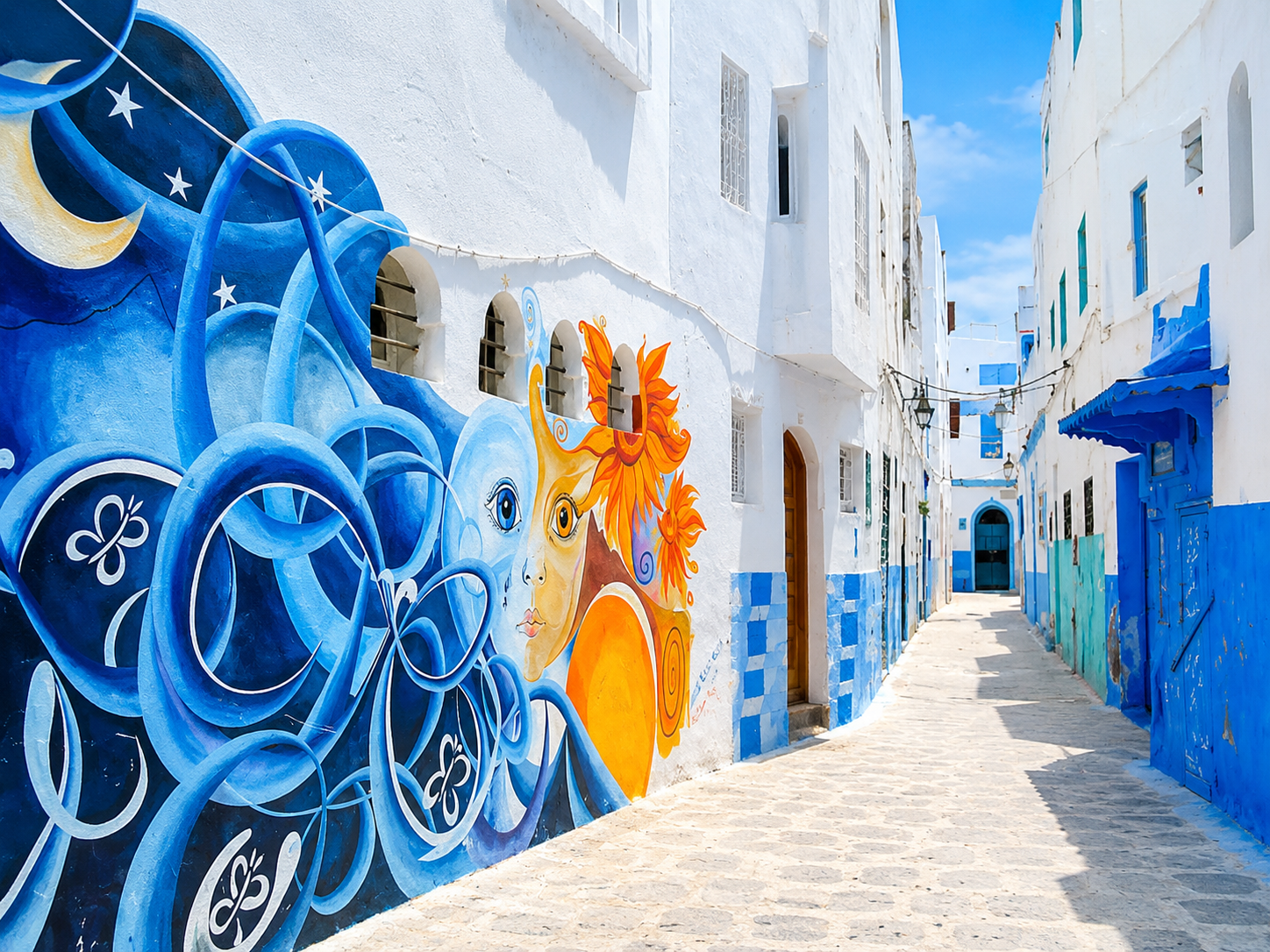
Begin with places that reveal different sides of Morocco: imperial capitals, northern medinas, Atlantic ports, mountain towns and quieter historic centres. Each destination page will explore the identity of the place, its essential landmarks, cultural character, local life and connections to the surrounding region.
-
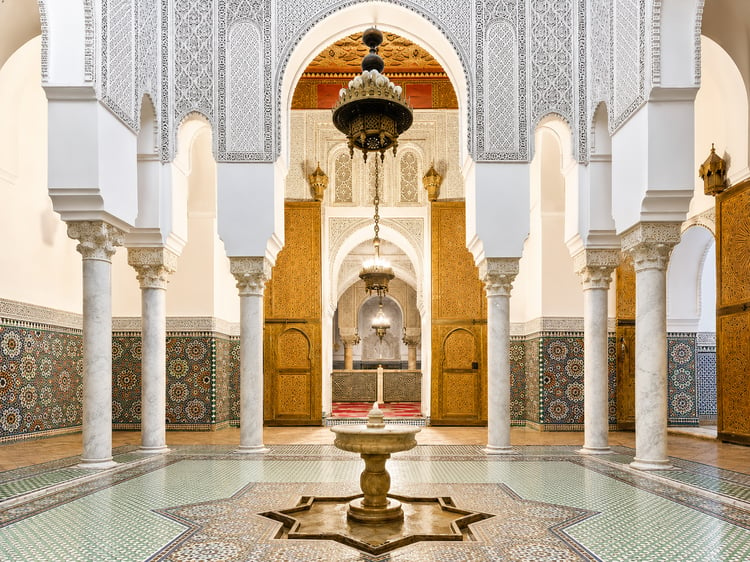
Meknès
Meknès combines imperial scale with a quieter urban rhythm. Monumental gates, extensive walls, royal structures and the legacy of Sultan Moulay Ismail reveal one of Morocco’s most distinctive historic capitals.
-
Fès
Fès is shaped by scholarship, spirituality, craftsmanship and one of Morocco’s most intricate historic medinas. Madrasas, fondouks, workshops, mosques and domestic architecture preserve centuries of urban knowledge and artistic practice.
-
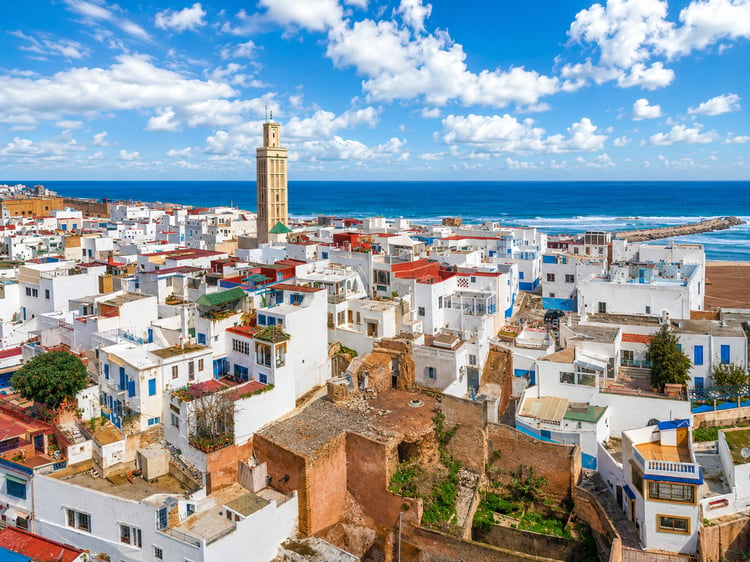
Rabat
Rabat brings together an Atlantic setting, Almohad remains, Andalusian memory, royal institutions and twentieth-century planning. Its medina, kasbah, gardens and modern districts reveal a capital built through several historical layers.
-
Marrakech
Marrakech carries the energy of a major historic capital through its medina, markets, gardens, religious monuments and neighbourhood life. Its architecture reflects both dynastic ambition and the continuing vitality of the city.
-
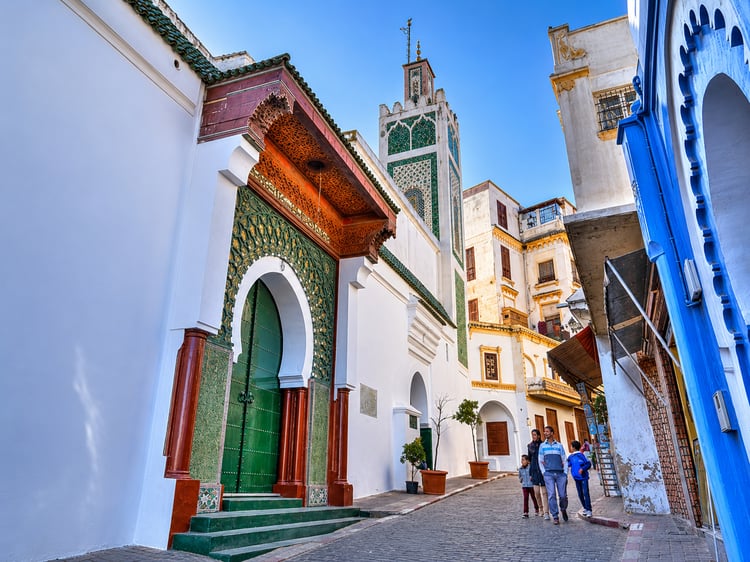
Tangier
Tangier stands at the meeting point of the Mediterranean, the Atlantic and the Strait of Gibraltar. Its medina, kasbah, port history and international connections have given the city a cultural character unlike anywhere else in Morocco.
-
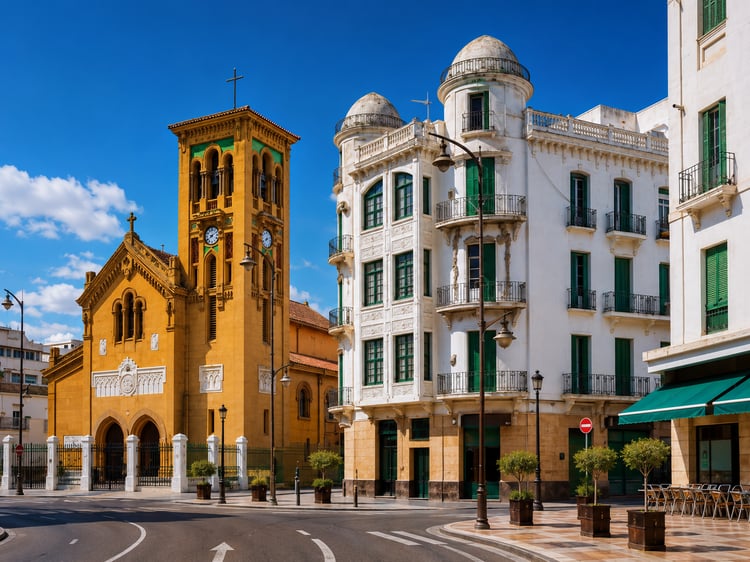
Tétouan
Tétouan is one of Morocco’s strongest expressions of Andalusian urban heritage. Its compact medina, white architecture, painted wood, embroidery, craft traditions and northern mountain setting create a refined and distinctive city identity.
-
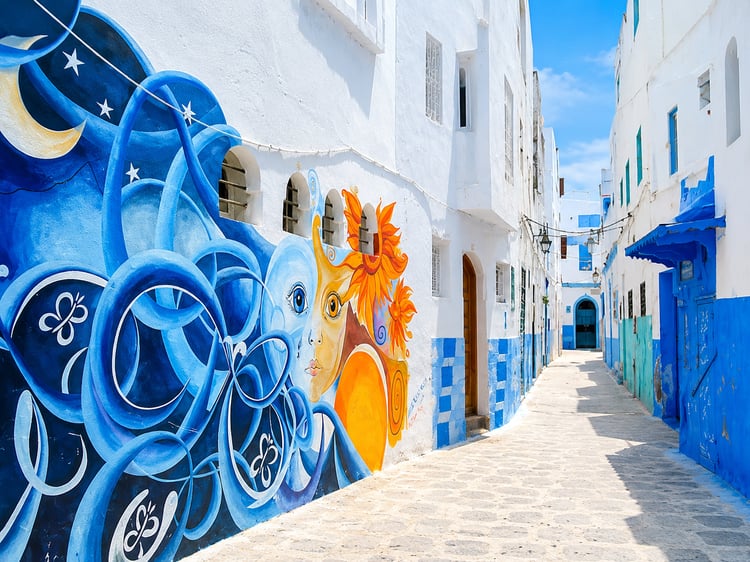
Asilah
Asilah is a small Atlantic town known for its whitewashed medina, sea-facing ramparts and artistic atmosphere. Its intimate scale, coastal light and layered Portuguese-Moroccan history make it ideal for slower exploration.
-
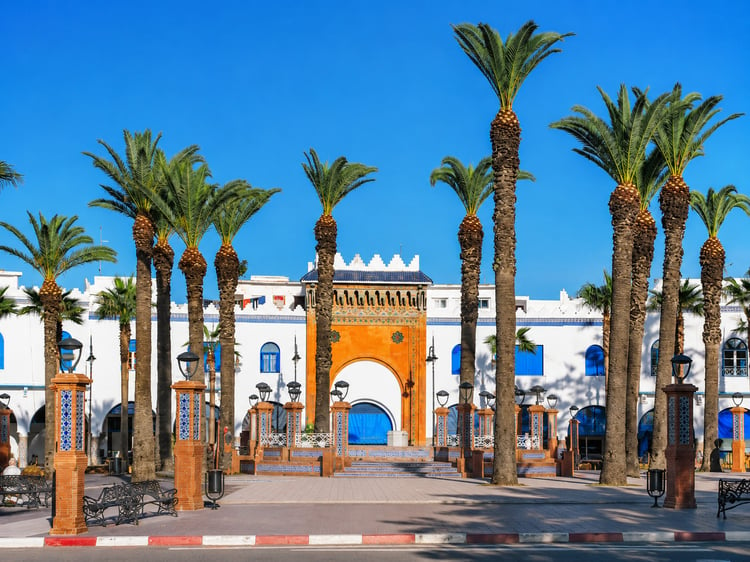
Larache
Larache unfolds between the Loukkos River and the Atlantic Ocean. Its port, Spanish-Moroccan architecture, old medina, market spaces and nearby archaeological landscape offer a rich but often overlooked view of northern Morocco.
-
Chefchaouen
Set within the Rif Mountains, Chefchaouen combines blue-painted lanes, a historic kasbah, local craft traditions and strong connections to the surrounding landscape. Beyond its colour, the town reveals a layered northern Moroccan identity.
-
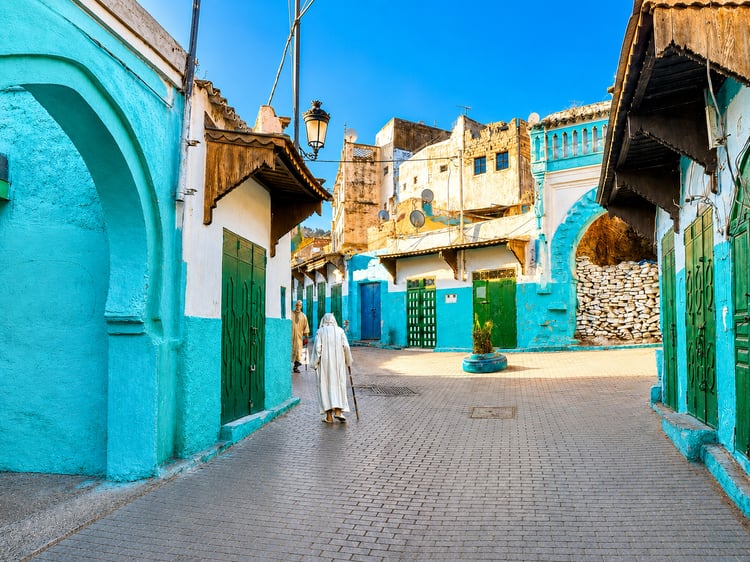
Ouazzane
Ouazzane is a spiritual and craft centre surrounded by olive-growing landscapes. Religious heritage, weaving traditions, hillside streets and a strong local identity make it one of northern Morocco’s most meaningful lesser-known cities.
-
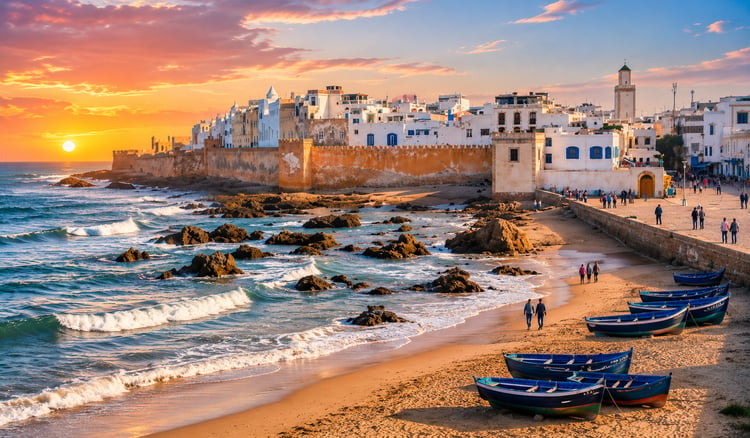
Essaouira
Essaouira is a fortified Atlantic port shaped by maritime trade, European military planning, Moroccan craftsmanship, Jewish memory and Gnaoua culture. Its medina, ramparts, port and windswept coast create one of Morocco’s most recognisable urban landscapes.
-
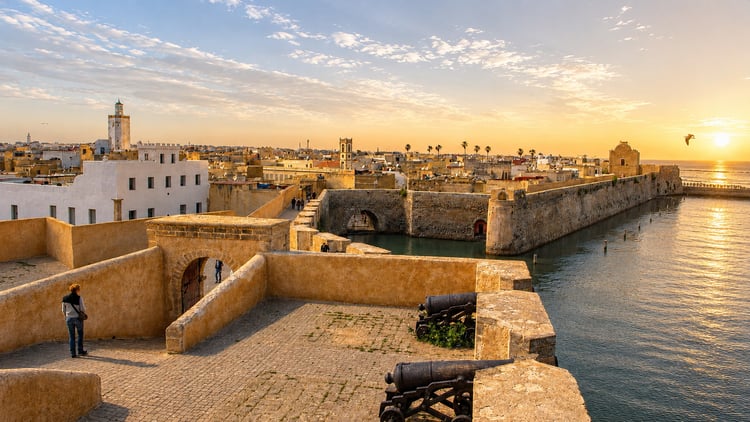
El Jadida & Mazagan
El Jadida combines a modern Atlantic city with the historic Portuguese City of Mazagan. Inside the fortified quarter, bastions, ramparts, churches and the celebrated cistern preserve a distinct chapter of Moroccan and European exchange.


Beyond the Landmarks
A place is more than a collection of monuments. Each Exotic Morocco destination page will bring together history, architecture, local culture, surrounding landscapes and practical context, while allowing the character of the place itself to determine the story.
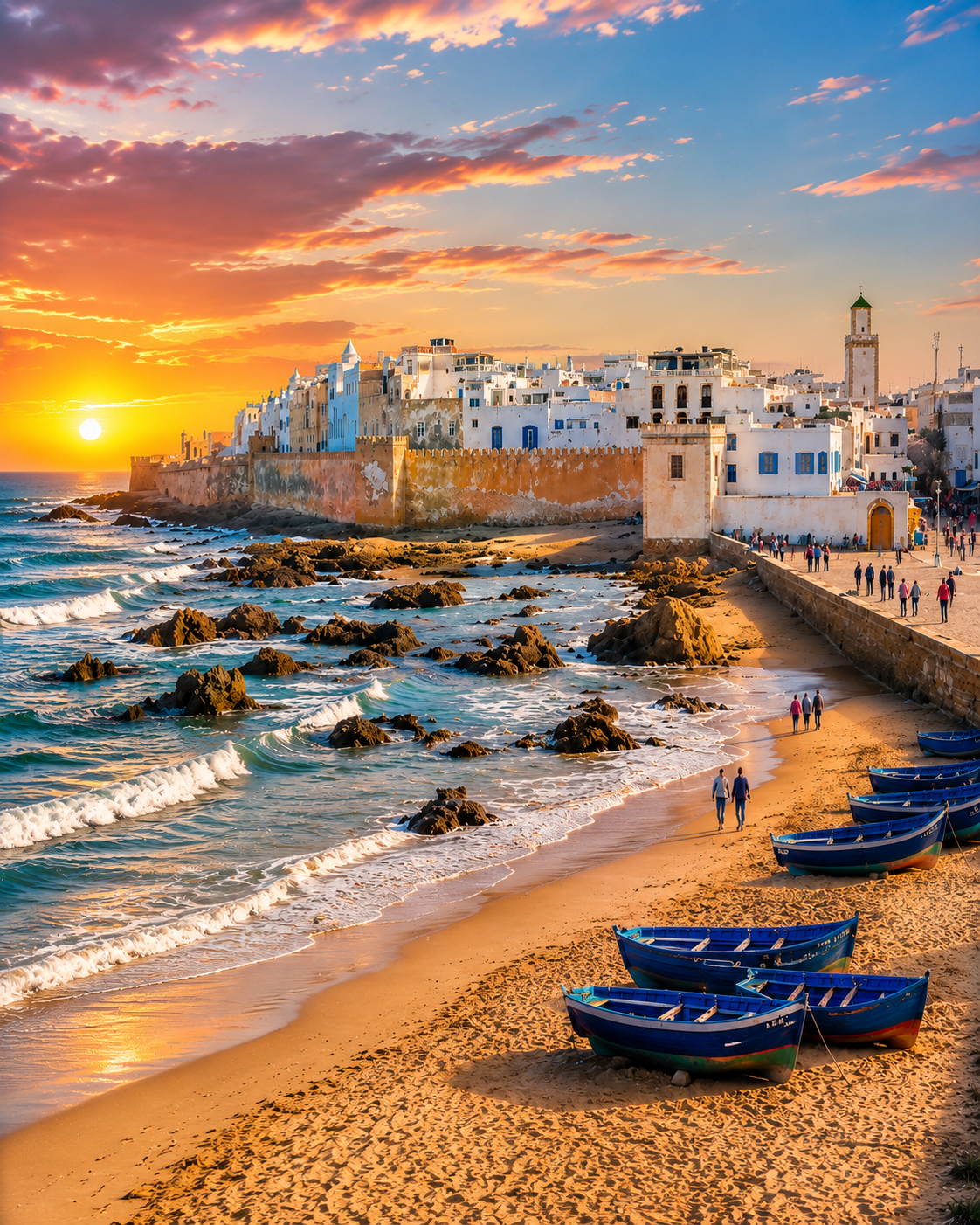
The Identity of the Place
Discover what gives each city, town or region its own character. Geography, historical memory, language, migration, trade and local traditions all influence how a place developed and how it is experienced today. Looking beyond the most famous sights helps reveal why one Moroccan destination may feel entirely different from another, even when they share architectural forms or historical connections. The aim is to understand the place as a complete cultural environment rather than simply a point on a travel route.
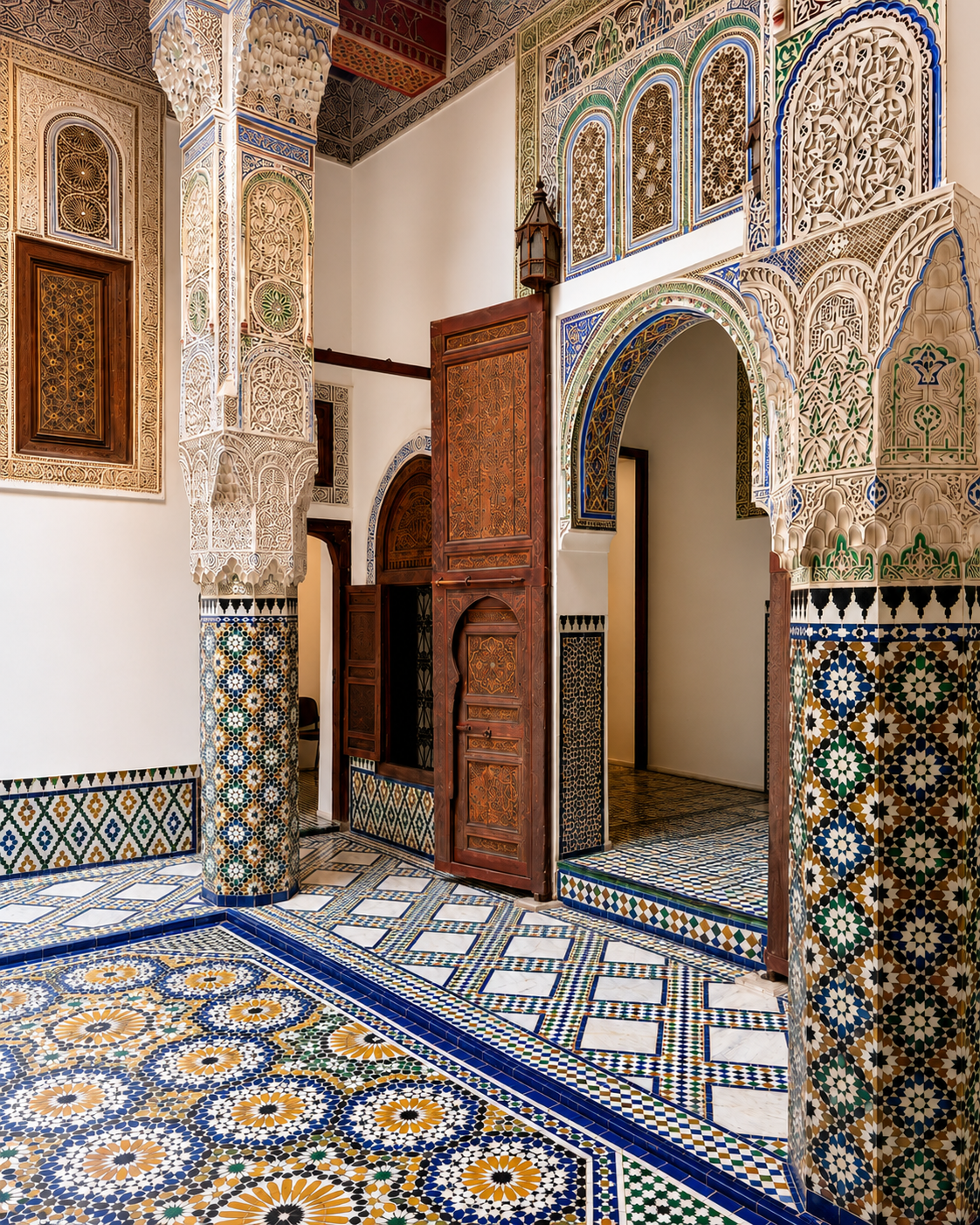
Essential Landmarks
Explore the monuments, neighbourhoods, religious sites, museums, gardens and public spaces that help explain the destination. Important landmarks are not presented as isolated attractions, but as evidence of changing political power, spiritual life, trade, craftsmanship and urban growth. Some places are nationally celebrated, while others are quieter local sites whose significance becomes clear only through context. Together, they provide a more complete understanding of how the destination was shaped and why particular buildings, streets or districts still matter.
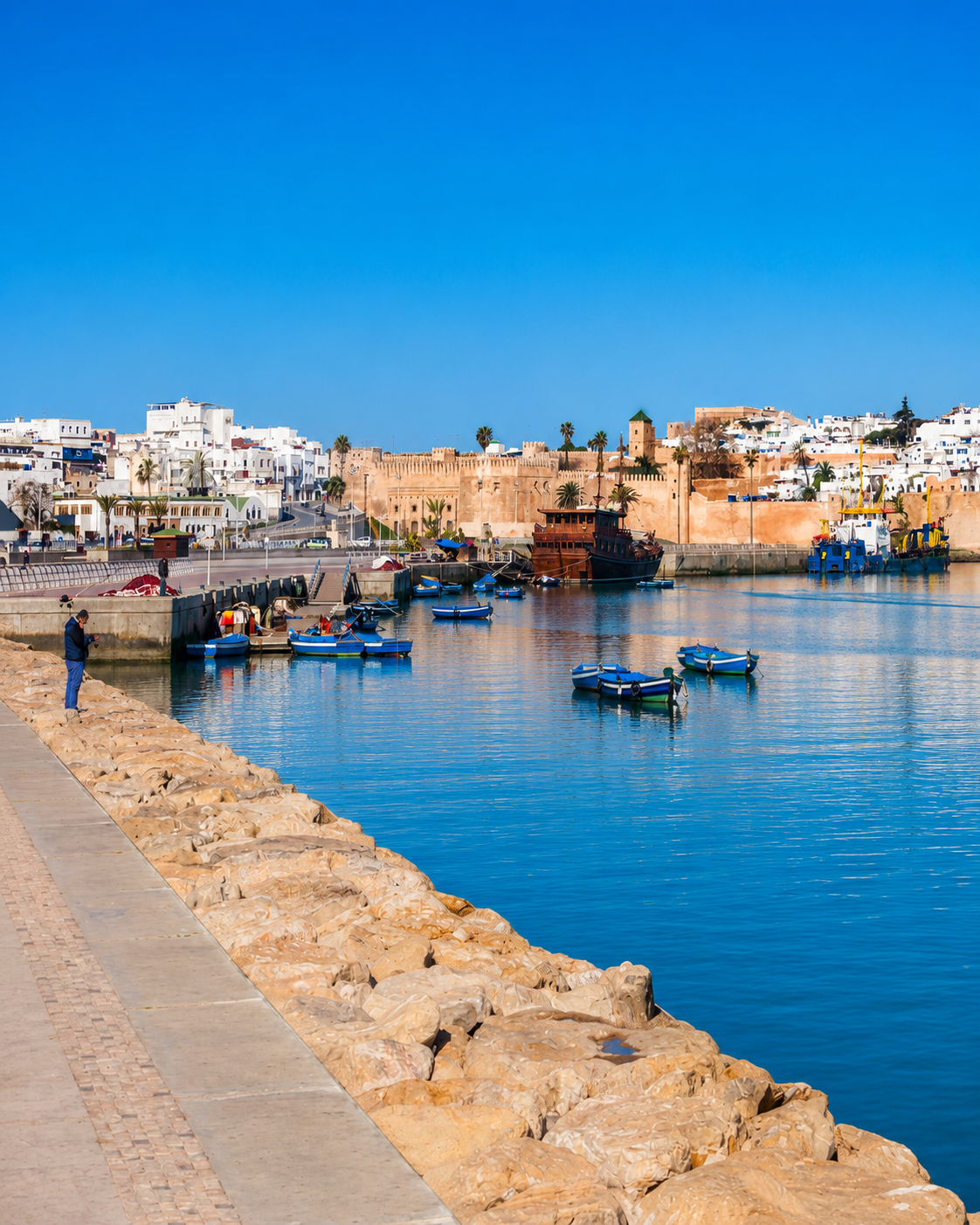
Architecture & Urban Detail
Look closely at the gates, walls, houses, courtyards, streets, materials and decorative arts that reveal how a place was built and adapted over time. Architecture may reflect royal ambition, religious practice, local climate, available materials or connections with other regions. Small details can be as revealing as major monuments: a carved doorway, painted ceiling, stone façade or street pattern may preserve knowledge passed through generations. These elements help distinguish imperial capitals, coastal towns, mountain settlements, oasis communities and modern urban districts.

Culture & Local Life
Discover the markets, crafts, food traditions, music, social spaces and everyday routines connected to the destination. Culture continues through homes, workshops, cafés, neighbourhood shops, weekly markets and community gatherings, not only through festivals or formal heritage sites. Local life also changes over time as younger generations, migration, tourism and new forms of work reshape familiar traditions. By paying attention to ordinary spaces and daily practices, visitors can better understand how heritage remains active, negotiated and meaningful within contemporary Moroccan life.
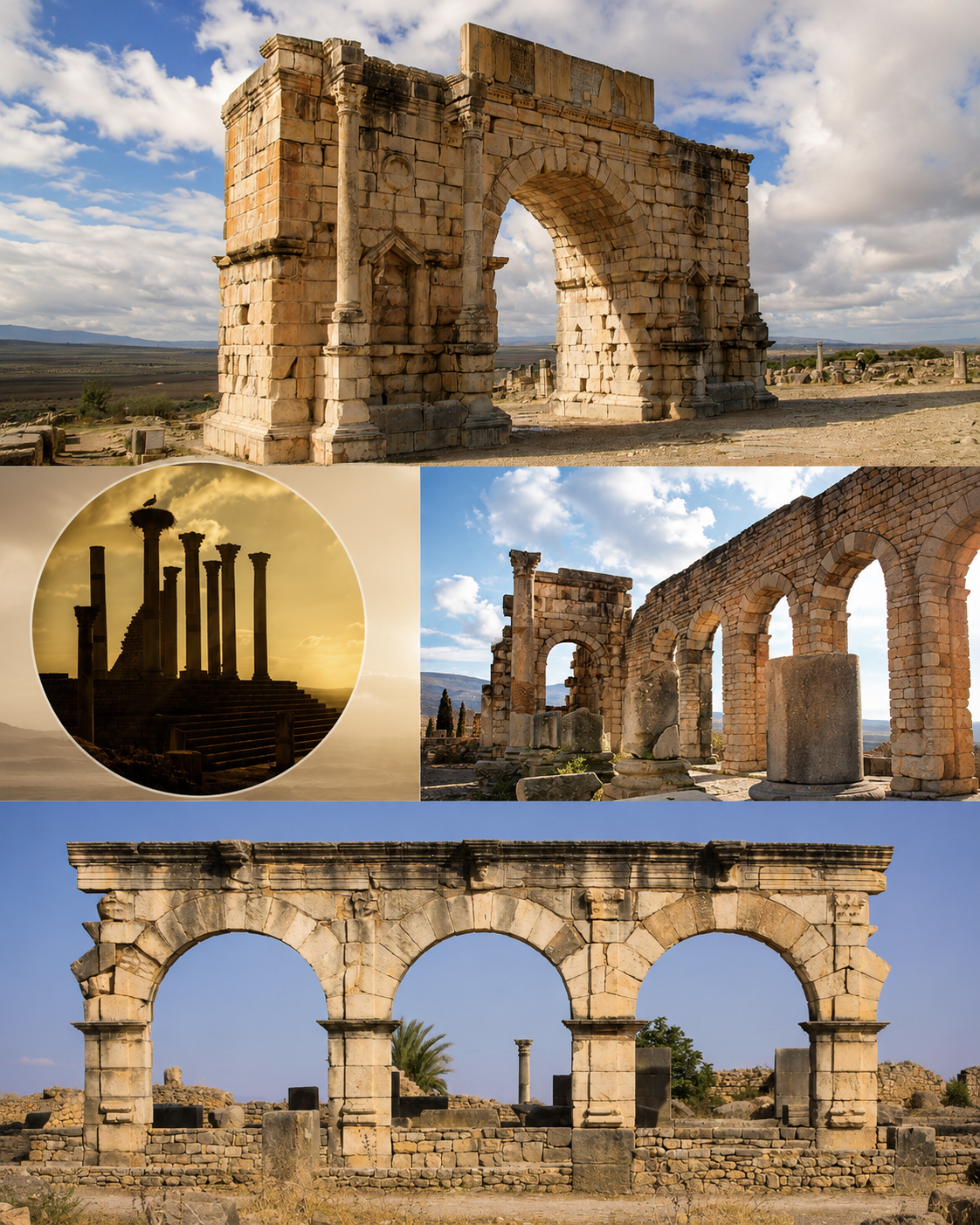
Nearby Landscapes & Journeys
Understand how the destination relates to the landscapes and communities around it. Rivers, mountains, forests, coastlines, agricultural plains, archaeological sites and neighbouring towns may be essential to its history and economy. A city rarely developed in isolation: roads, ports, valleys and regional markets often connected it to wider networks of movement and exchange. Exploring the surrounding area can therefore reveal another part of the same story, while also helping travellers build routes that are geographically logical, culturally varied and more rewarding.
Related Stories & Premium Guides
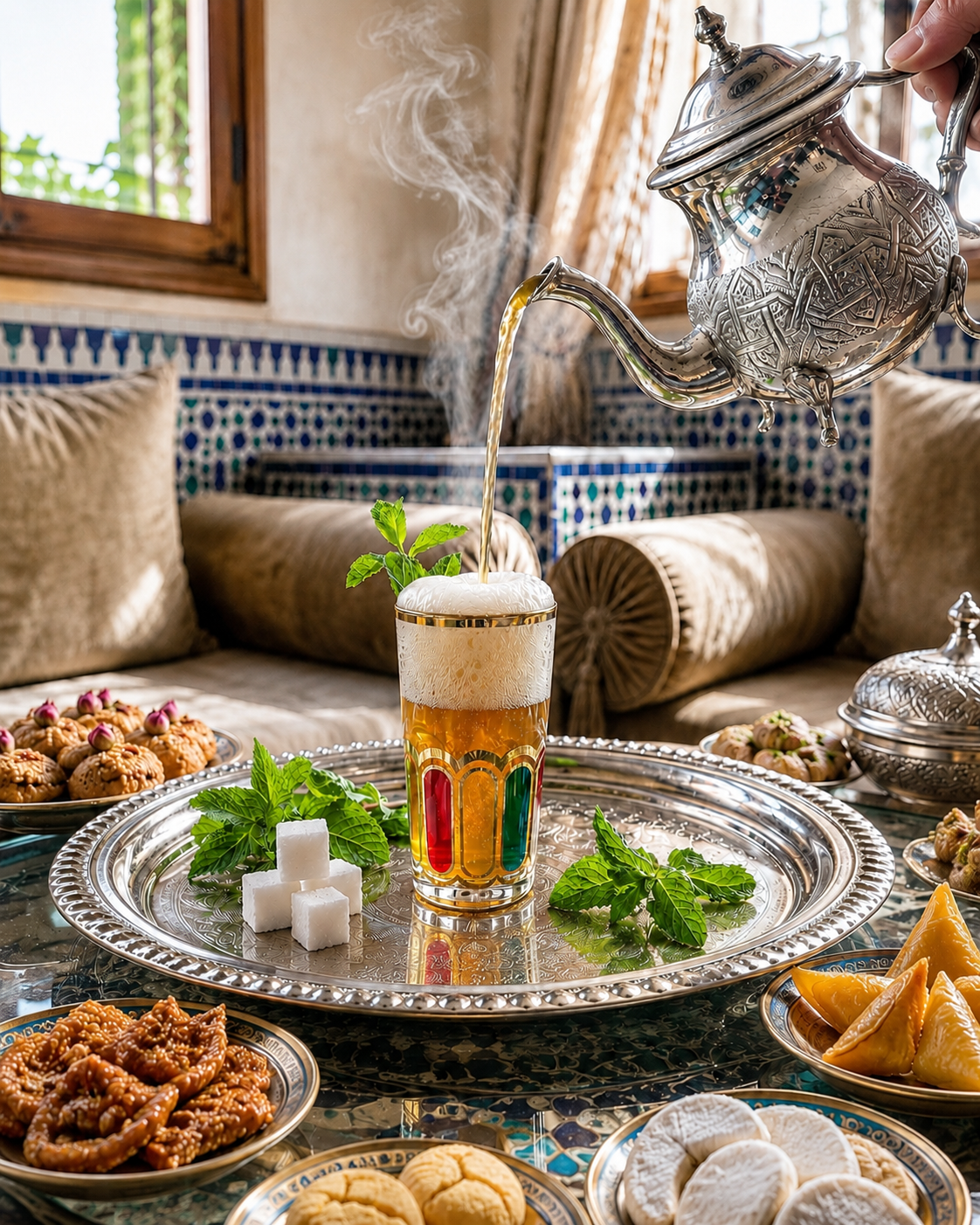
Continue beyond the destination overview through focused articles, visual collections and complete Premium Visual City Guides where available. Stories may examine a particular monument, neighbourhood, craft tradition, historical period or cultural memory in greater depth. Premium guides bring these different layers together within a carefully organised resource that also includes practical travel context, nearby places and visual references. Each format has its own purpose, allowing visitors to move naturally from initial inspiration to deeper understanding, confident planning and more meaningful exploration.
Continue the Journey
A place can be explored in different ways. Read the story behind it, use a complete visual guide or begin shaping a journey that connects several destinations. Choose the path that best matches how deeply you want to discover Morocco.
-
Read Stories from Morocco
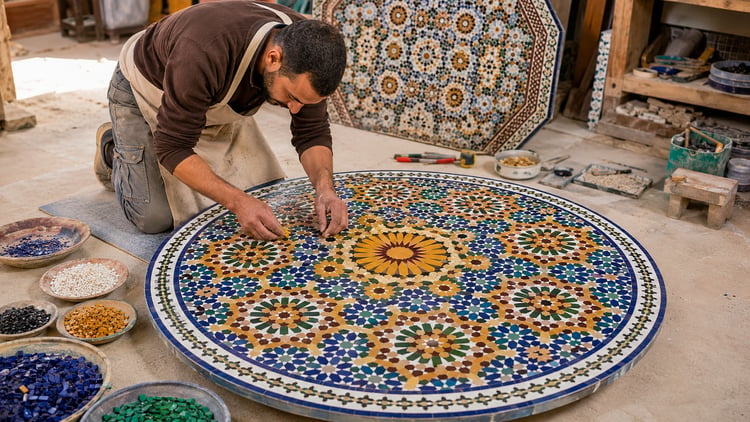
Explore focused articles about cities, architecture, craftsmanship, history, memory and local life. Each story takes one subject further and reveals the cultural connections that may be missed in a short destination overview.
-
Browse Premium City Guides
Discover complete visual guides created for travellers who want more than a list of attractions. Each guide brings together landmarks, history, local culture, practical context, nearby places and carefully organised visual material.
-
Plan Your Journey
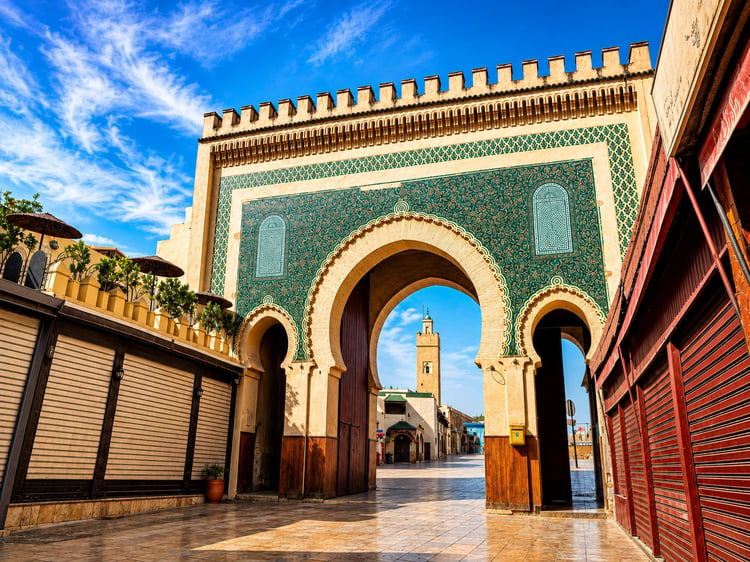
Move from inspiration to a more thoughtful route. Explore practical guidance on when to travel, how to connect regions, how long to stay and how to build a journey that respects distance, landscape and the character of each place.
